
How to use OKX stop-limit orders: trigger price, limit price and common mistakes
Editorial Note
Last reviewed: 3/19/2026
This page is maintained by the BG Trading - OKX Trading & Rebate Guides editorial team and cross-checked against platform rules, product docs and internal topic pages.
If platform rules change, treat the official documentation as the final source of truth.
A stop-limit order is not a guaranteed execution tool. It first triggers, then posts a limit order, so misunderstanding the two prices often leads to surprises.
Who this guide is for
- Useful for spot beginners who want planned entries or exits
- Triggering and filling are two different stages
- Low liquidity can cause triggered orders to remain unfilled
Suggested path
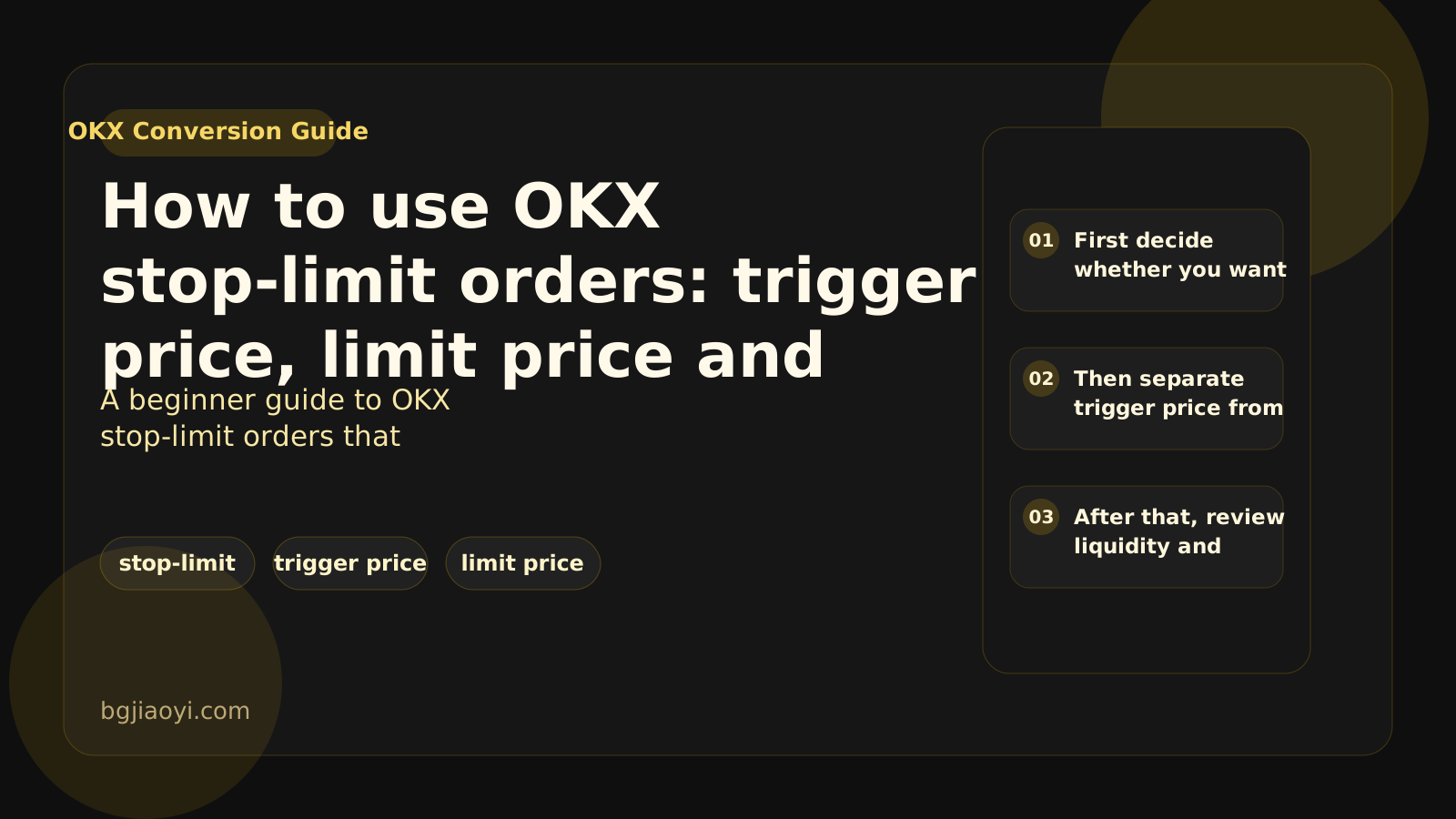
- First decide whether you want to cut loss below a level or enter after a breakout above a level, because the direction changes how you set the order.
- Then separate trigger price from limit price: the trigger activates the order, while the limit price defines the actual posted buy or sell order.
- After that, review liquidity and price movement for the pair instead of placing an unrealistic limit too far from market conditions.
- Before using larger size, test with a small amount so you understand the trigger logic, quantity and total cost.
Key checks
- stop-limit
- trigger price
- limit price
FAQ
Why did my stop-limit order trigger but not fill?
Because triggering only posts the limit order. Fast price movement can leave it waiting in the book.
Is stop-limit always better than market?
Not always. It depends on whether you value price control more than execution certainty.
Should beginners use large size immediately?
No, it is safer to practice with smaller orders first.
Next move
Once you enter OKX, use the live platform page as the final source for fees, eligibility and campaign rules.
Site Role
Site role: carry account-open traffic into trading
This site serves users who already have, or are close to having, an account and now need execution guidance.
- Prioritize fees, fund transfers, spot/futures execution and risk checks.
- Shorten the path from intent to first trade.
- Avoid repeating too much beginner signup material handled elsewhere.